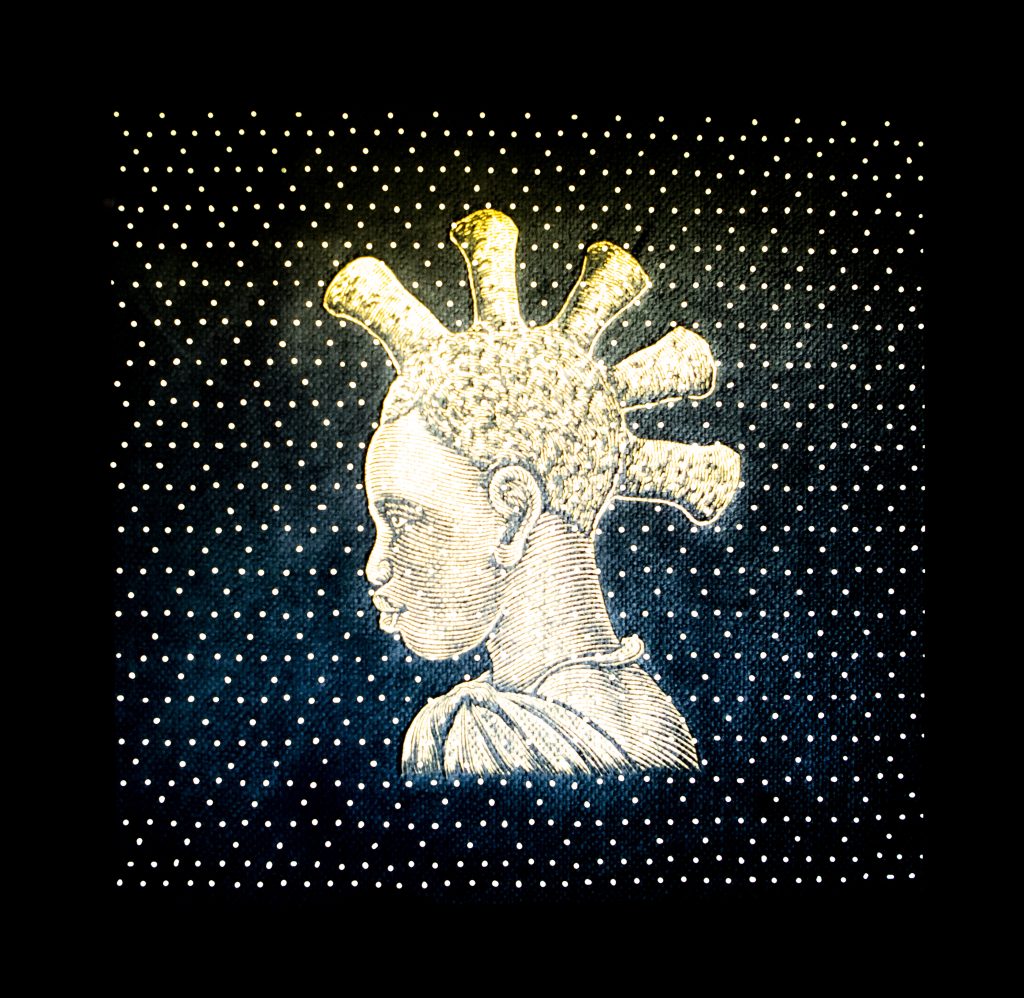
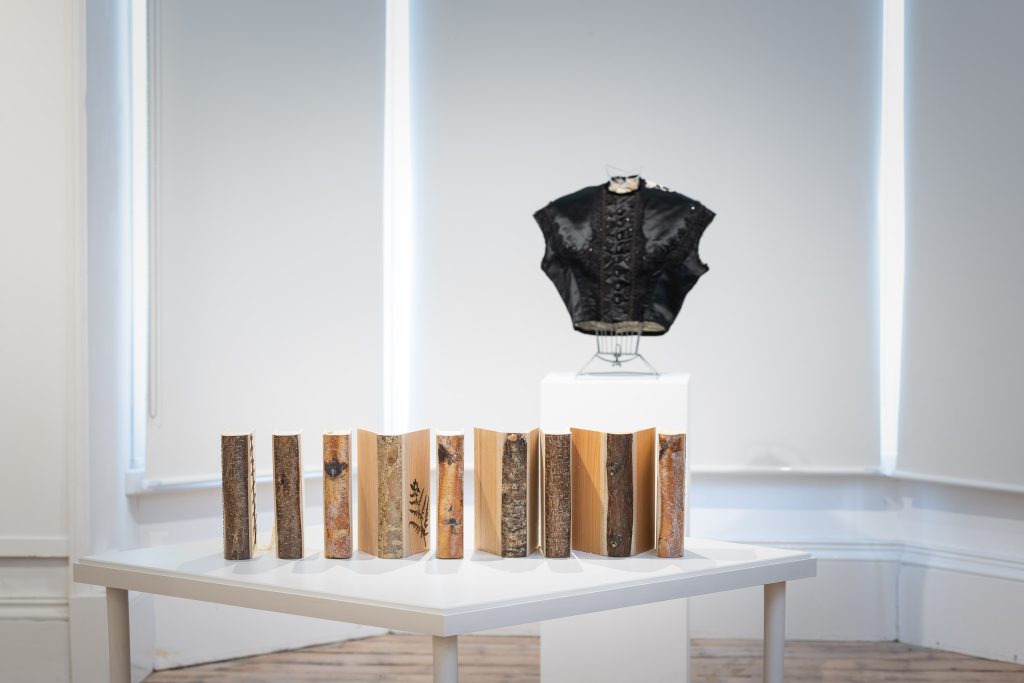
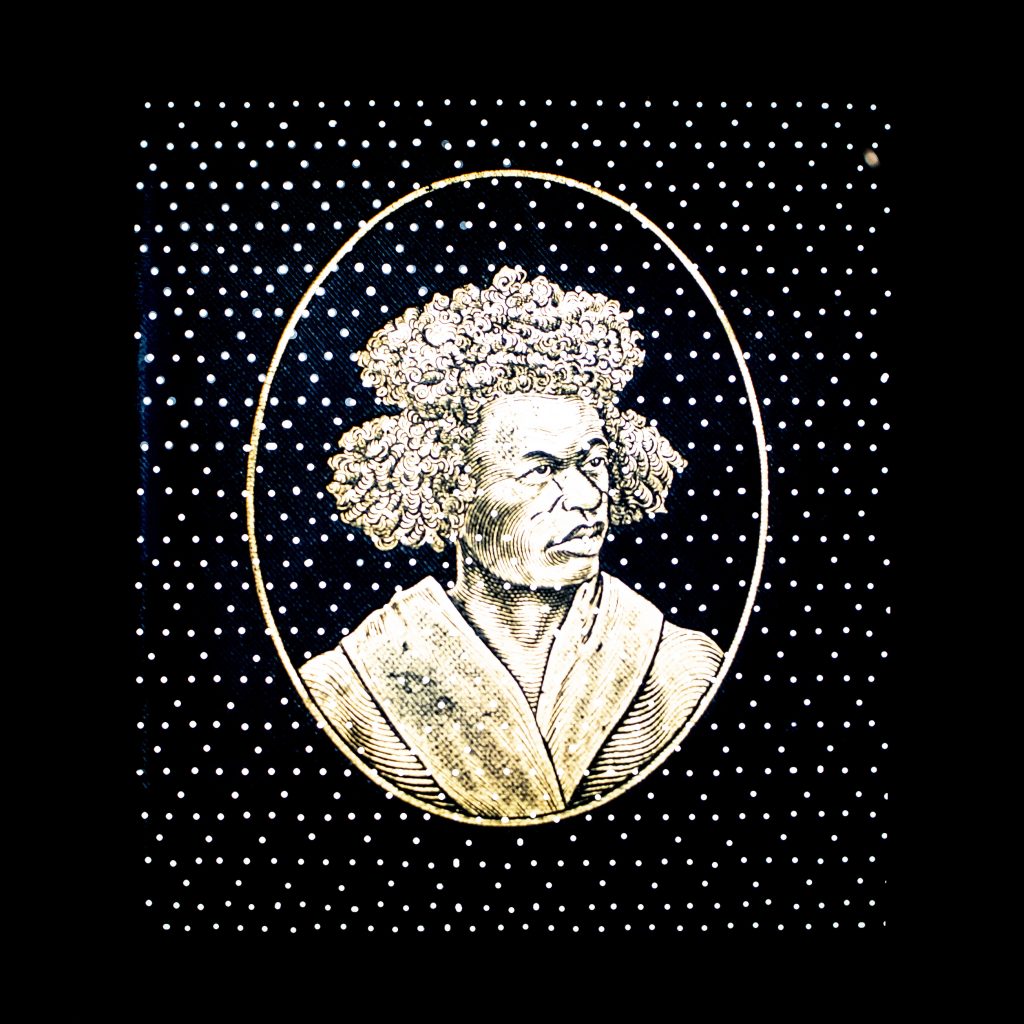
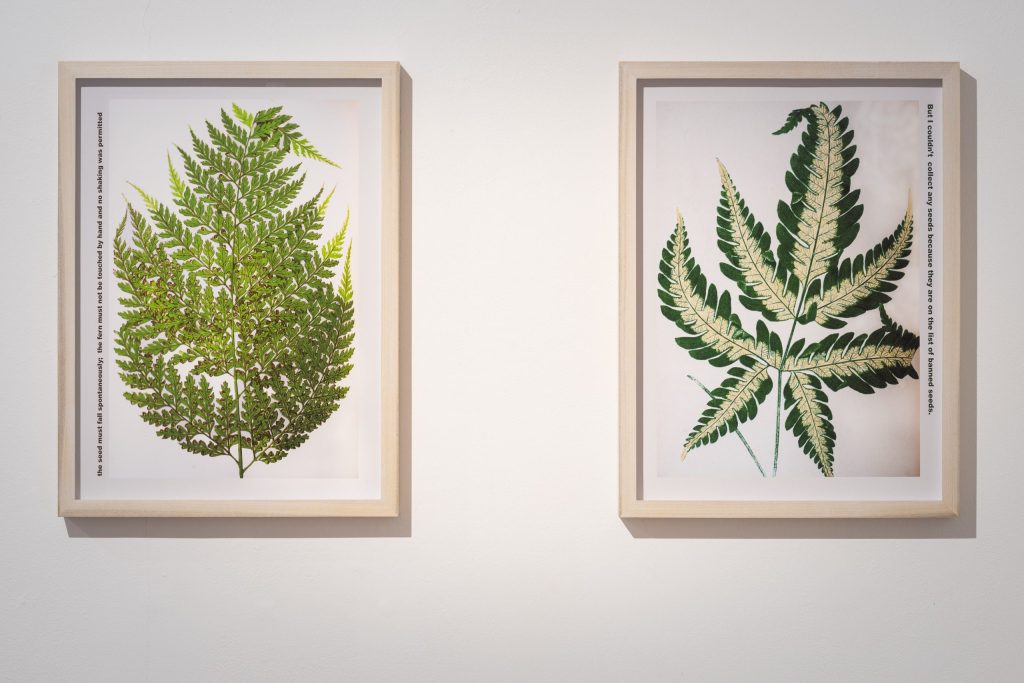
Throughout her extensive career, artist Ingrid Pollard has broken new ground and forged new pathways for younger generations. Alongside digital, analogue and alternative photographic processes, she often incorporates archival research, printmaking, image-text, memorabilia, installation and video/audio in her practice. Her work is known for its nuanced consideration of identity and place, including themes of landscape and labour, people and places, memory and migration, industry and individual experience. Her seminal photographic works made in relation to the Black British experience have been exhibited internationally and are represented in public and private collections worldwide.
In England there’s a very specific way of viewing the rural, with land ownership, and the colonial aspect of Britain where they went around clearing land. It’s a long, complicated history. Ingrid Pollard, Elephant, February 2020.
Pollard recently completed a two-year research commission by ‘talking on corners’, studying the importation of tropical plants in relation to systems of classification, and themes of travel and labour. A selection of the work made will be shown at Helston Old Chapel on 27 and 28 September, as part of Resonance of Being curated by Cassinelli Mills. Pollard will be joined in conversation by artist Ashanti Hare, whose work also features in the exhibition.
Ingrid Pollard is based in the North of England. She has exhibited widely in Europe and America, including Tate, the V&A, NGBK (Berlin), Caribbean Cultural Centre (New York), Camerawork (San Francisco) and the National Gallery of Jamaica. She has been the recipient of BALTIC Artist’s Award, Paul Hamlyn Foundation Award, Freelands Award (with MK Gallery), and the Hasselblad Award. She was the inaugural Stuart Hall Associate Fellow at the University of Sussex in 2018. In 2022 she was one of four artists nominated for the Turner Prize.
Pollard studied Film and Video at the London College of Printing, received an MA in Photographic Studies from the University of Derby and earned a PhD from the University of Westminster.
Ashanti Hare is a Plymouth-based multidisciplinary artist and spiritual practitioner, originally from South London. Their practice explores British, Caribbean and West African folklore, the occult and magick, with a focus on decolonising Western history through archival research. Hare’s work is often influenced by pop culture, music, film and literature and makes use of folk craft techniques alongside performance, moving image and installation.
Hare graduated from Arts University Plymouth in 2022 and was awarded the 2022 CVAN Platform Graduate Award, AUP X KARST Graduate Residency and the 2023 Southcombe International Women’s Day Residency.
This event was organised in collaboration with Cassinelli Mills.